
Frequent downtime in palm oil machinery can result from poor maintenance, component wear, inadequate lubrication, raw material variation, operator errors, spare parts shortages, electrical faults, and harsh working conditions. These issues reduce machine reliability and disrupt the continuous production that palm oil mills rely on.
Why Downtime Is a Serious Problem in Palm Oil Processing
Palm oil mills operate as integrated systems. Each machine depends on the previous and next process stage. If the sterilizer underperforms, fruit quality can decline before threshing. If the screw press fails, oil extraction slows immediately. If the clarifier or sludge separation system stops, downstream efficiency suffers. This means even a short interruption can create larger process imbalances.
Frequent downtime causes several direct losses:
- Reduced fresh fruit bunch processing capacity
- Lower oil extraction efficiency
- Higher labor and maintenance costs
- Delayed delivery schedules
- Greater risk of fruit deterioration
- Increased energy waste during restarts
- Shorter equipment service life due to repeated stress
The more often machinery stops unexpectedly, the harder it becomes for a mill to maintain stable output and consistent product quality.
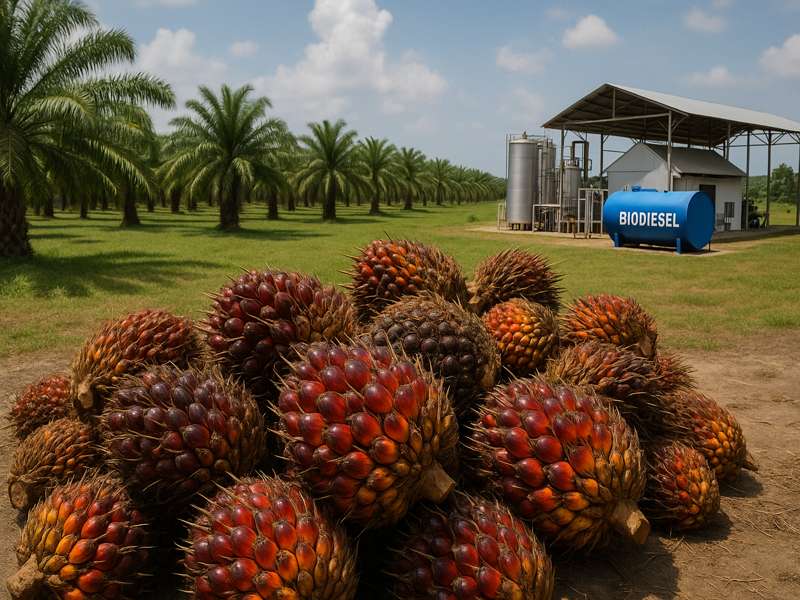
Main Causes of Frequent Downtime in Palm Oil Machinery
Below are the most common causes of repeated stoppages in palm oil mills.
Poor Preventive Maintenance
One of the biggest reasons for frequent downtime is weak maintenance planning. Many mills still rely too heavily on reactive maintenance, meaning equipment is repaired only after it breaks down. This approach may seem cheaper in the short term, but it usually leads to more unplanned shutdowns.
Without routine inspection and servicing, small issues become major failures. Bearings lose lubrication, chains stretch, gearboxes overheat, seals wear out, and bolts loosen under vibration. When these early warning signs are missed, machines stop unexpectedly.
A strong preventive maintenance program should include:
- Daily cleaning and visual inspection
- Scheduled lubrication of moving parts
- Belt and chain tension checks
- Bearing temperature monitoring
- Seal, gasket, and coupling inspection
- Gearbox oil replacement schedules
- Planned shutdowns for component replacement
When maintenance is inconsistent, downtime frequency almost always increases.
Maintenance Problems and Their Downtime Impact
| Maintenance Issue | Typical Result | Downtime Risk |
| Missed lubrication | Bearing overheating and seizure | High |
| Delayed belt replacement | Sudden belt breakage | Medium to High |
| No routine tightening | Loose fasteners and vibration damage | Medium |
| Irregular gearbox checks | Gear wear and transmission failure | High |
| Infrequent cleaning | Material buildup and blockage | High |
| No inspection records | Repeated unresolved faults | Medium to High |
Wear and Tear of Critical Components
Palm oil machinery works in a harsh environment with heat, moisture, fiber, dirt, and continuous mechanical load. Over time, critical parts wear down naturally. If replacement intervals are not well managed, worn parts become a major source of downtime.
Some of the most commonly worn components include:
- Screw press worms and cages
- Digester arms and shaft components
- Thresher drum parts
- Conveyor chains and sprockets
- Bearings and bushings
- Pump impellers and seals
- Boiler and sterilizer valves
- Gearbox gears and couplings
Wear becomes more severe when machines are overloaded or misaligned. In many mills, operators continue running equipment beyond its ideal service condition to avoid stopping production. Unfortunately, this often causes bigger failures later.
Inadequate Lubrication
Lubrication problems are a common but preventable cause of machinery downtime. Palm oil equipment has many rotating and sliding components that require the correct lubricant, applied at the correct interval, in the correct amount.
Too little lubrication increases friction and heat. Too much lubrication can also be harmful, especially in bearings, where excess grease can cause overheating. Using the wrong lubricant grade may reduce protection under high temperature or wet conditions.
Lubrication failures often affect:
- Bearings
- Chains
- Gear drives
- Motors
- Conveyor rollers
- Press systems
A mill that lacks a clear lubrication chart, trained staff, and monitoring standards will usually experience more frequent shutdowns.
Raw Material Variation and Overloading
Fresh fruit bunches do not always arrive in uniform condition. Variations in fruit ripeness, bunch size, moisture content, contamination level, and field debris can place irregular stress on machinery. When machines are designed for a certain feed condition but receive inconsistent material, the risk of blockage, overload, and accelerated wear increases.
For example:
- Unripe or under-sterilized fruit may be harder to process
- Excessive fiber and shell content can overload separation equipment
- Foreign matter such as stones, metal, or wood can damage conveyors or presses
- Overfeeding digesters and presses increases torque load and heat buildup
When mills try to maximize throughput without respecting machine capacity, downtime often becomes more frequent.
Raw Material Issues and Machinery Effects
| Raw Material Condition | Machinery Impact | Possible Downtime Cause |
| Unripe fruit bunches | Harder digestion and pressing | Overload and poor extraction |
| High moisture variation | Unstable process flow | Slipping, clogging, inefficiency |
| Excessive debris | Mechanical contamination | Jams and part damage |
| Oversized bunches | Uneven feeding | Conveyor and thresher stress |
| Under-sterilized fruit | Difficult fruit separation | Thresher blockage |
| Mixed field waste | Accelerated wear | Damage to rotating parts |
Poor Operator Training
Even well-designed palm oil machinery can experience frequent downtime if operators are not properly trained. Incorrect start-up and shutdown procedures, poor feeding control, delayed response to abnormal sounds, and improper parameter adjustment can all shorten equipment life.
Operator-related downtime often happens because of:
- Overfeeding machines
- Ignoring unusual vibration or noise
- Improper temperature or pressure settings
- Wrong sequence during startup or shutdown
- Failure to clean blockages safely and quickly
- Misuse of controls and safety interlocks
Training is not just about machine operation. Operators also need to understand the relationship between process conditions and equipment health. A skilled operator can detect early warning signs before a breakdown occurs.
Lack of Spare Parts Availability
A minor failure can turn into long downtime when the required spare part is not available. Many palm oil mills face delays because they do not stock enough critical wear parts or they rely on long procurement cycles.
Common spare parts that should be managed carefully include:
- Bearings
- Seals and gaskets
- Chains and sprockets
- Belts
- Press worms and cages
- Pump components
- Electric motors and sensors
- Valve parts
Without proper spare parts planning, even a simple bearing or seal failure can stop a machine for hours or days. Mills should classify spare parts by criticality and lead time, then maintain safe stock levels for essential components.
Electrical and Control System Failures
Mechanical problems are not the only cause of downtime. Electrical faults and automation issues can also stop palm oil machinery without warning. Power fluctuations, damaged wiring, overloaded motors, faulty sensors, and control panel failures are all common in busy industrial environments.
Electrical downtime may result from:
- Loose cable connections
- Moisture entering control panels
- Aging contactors and relays
- Sensor misalignment or contamination
- Motor overheating
- Inverter or PLC faults
- Inadequate grounding or surge protection
In mills where humidity, vibration, and heat are constant, electrical reliability must be managed as carefully as mechanical reliability.
Mechanical vs Electrical Downtime Causes
| Downtime Category | Common Example | Typical Effect |
| Mechanical | Bearing failure | Sudden stop, noise, overheating |
| Mechanical | Conveyor chain damage | Material transfer interruption |
| Mechanical | Press wear | Lower extraction and shutdown |
| Electrical | Motor overload trip | Unexpected stop |
| Electrical | Faulty sensor | Process interruption or false alarm |
| Electrical | Panel moisture damage | Control failure |
| Electrical | Power fluctuation | Equipment restart and instability |
Poor Cleaning and Housekeeping
Palm oil mills generate oil residue, fiber, shell particles, sludge, steam, and dust. If equipment is not cleaned regularly, buildup can interfere with normal machine movement and process flow.
Poor housekeeping can lead to:
- Choked pipelines
- Slipping belts
- Contaminated sensors
- Reduced cooling efficiency
- Corrosion of metal parts
- Fire hazards in certain areas
- Restricted access for inspection and repair
Clean machines are easier to inspect, safer to operate, and less likely to fail unexpectedly. Good housekeeping is often underestimated, but it directly affects uptime.
Harsh Operating Environment
Palm oil processing environments are demanding. High temperature, steam exposure, oil mist, water, and corrosive conditions can all reduce machine reliability. Equipment installed without proper protection may deteriorate quickly.
Environmental factors that contribute to downtime include:
- Corrosion from moisture and chemicals
- Heat stress on motors and electronics
- Water ingress into bearings and electrical boxes
- Dust and fiber entering moving parts
- Outdoor exposure without proper shielding
Selecting machinery with suitable materials, sealing systems, and protective enclosures helps reduce these failures.
Poor Installation and Misalignment
Sometimes downtime problems begin long before production starts. Improper installation, poor alignment, weak foundations, and inaccurate assembly can all create recurring equipment issues.
Misalignment can cause:
- Excessive bearing wear
- Coupling failure
- Shaft vibration
- Motor overload
- Premature gearbox damage
A machine may still run when poorly aligned, but it will rarely run reliably for long. Careful installation and commissioning are essential for stable palm oil processing performance.
Delayed Fault Diagnosis
Many mills experience repeated downtime not because failures are unavoidable, but because root causes are not correctly identified. A failed bearing may be replaced several times, but if shaft misalignment or lubrication failure is not corrected, the problem will continue.
Delayed diagnosis usually happens when mills lack:
- Maintenance records
- Failure history analysis
- Vibration or temperature monitoring
- Root cause investigation procedures
- Coordination between operators and maintenance teams
Repairing the symptom without removing the real cause guarantees repeated downtime.
Root Causes and Corrective Actions
| Root Cause | Common Symptom | Recommended Action |
| Poor lubrication | Bearing overheating | Improve lubrication schedule and checks |
| Overloading | Motor trips and vibration | Control feed rate and capacity |
| Misalignment | Repeated coupling failure | Realign shafts and inspect foundation |
| Contamination | Sensor or pump failure | Improve sealing and cleaning |
| Operator error | Unexpected machine stop | Strengthen operator training |
| Missing spare parts | Extended repair time | Build critical spare inventory |
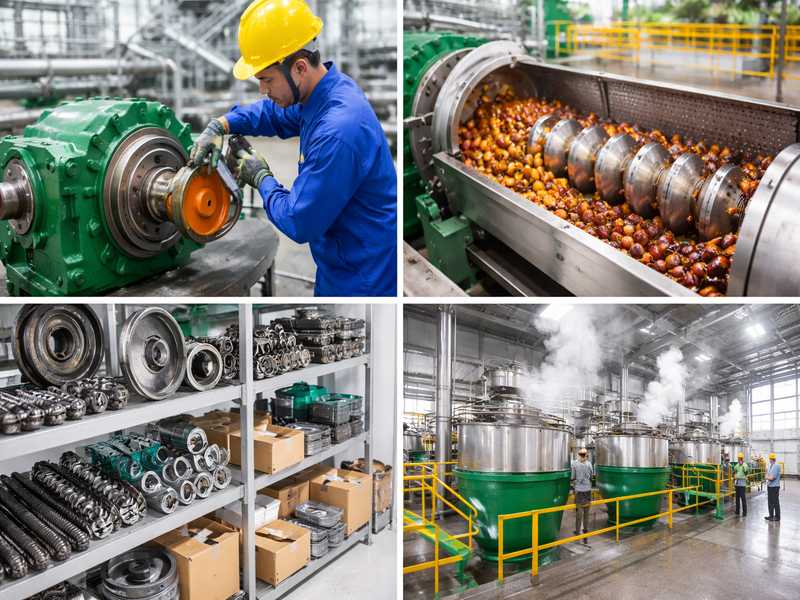
Which Palm Oil Machines Commonly Suffer Downtime?
Although downtime can happen anywhere in the mill, some equipment is more vulnerable because of its workload and operating conditions.
Frequently affected machines include:
- Sterilizers– valve problems, steam leakage, pressure instability
- Threshers– blockage, drum wear, feeding issues
- Digesters– shaft wear, arm damage, overload
- Screw presses– worm wear, cage damage, bearing failure
- Clarification systems– pump faults, clogging, separation inefficiency
- Conveyors– chain wear, misalignment, jammed transfer points
- Boilers– scaling, combustion issues, feedwater problems
- Kernel recovery systems– cracking, blockage, separation inconsistencies
Each of these machines should have a dedicated inspection and maintenance plan.
How Mills Can Reduce Frequent Downtime
Reducing downtime requires more than emergency repairs. It needs a systematic reliability strategy.
Practical ways to improve uptime include:
1. Establish a preventive maintenance program
Use daily, weekly, and monthly checklists for each machine.
2. Keep track of past failures
Note what went wrong, when it went wrong, why it went wrong, and how it was fixed.
3. Train operators and technicians
Improve their ability to detect abnormal conditions early.
4. Manage spare parts professionally
Keep essential wear and failure-prone parts in stock.
5. Control machine loading
Avoid feeding machines beyond their designed capacity.
6. Improve cleaning standards
Remove oil, fiber, sludge, and debris before buildup becomes a problem.
7. Monitor condition indicators
Check vibration, temperature, pressure, and power consumption regularly.
8. Upgrade worn or outdated equipment
In some cases, repeated downtime reflects obsolete machinery rather than poor maintenance alone.
Most downtime causes can be reduced through better planning, stronger training, and stricter maintenance. Mills that focus on preventive maintenance, root cause analysis, spare parts readiness, and standardized operations can improve uptime, protect extraction efficiency, and lower long-term costs.