Palm Oil Storage Equipment: Ensuring Freshness and Quality During Storage
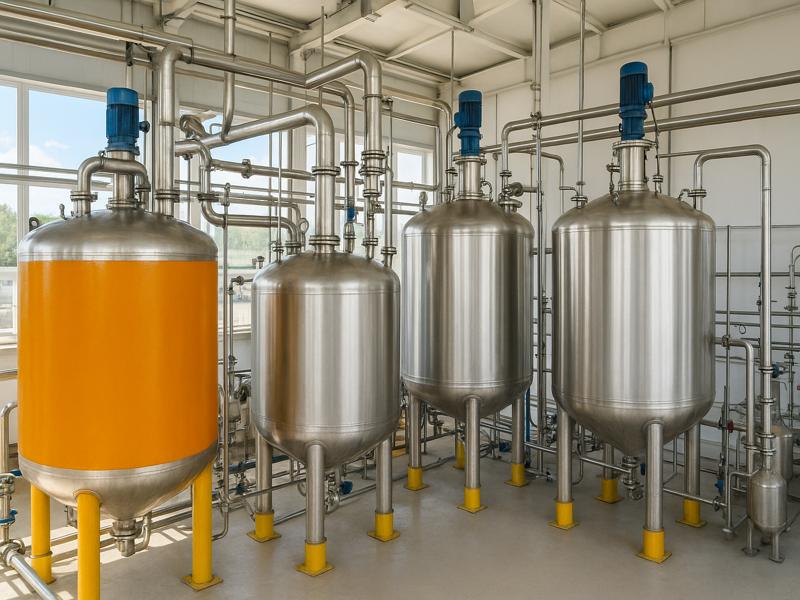
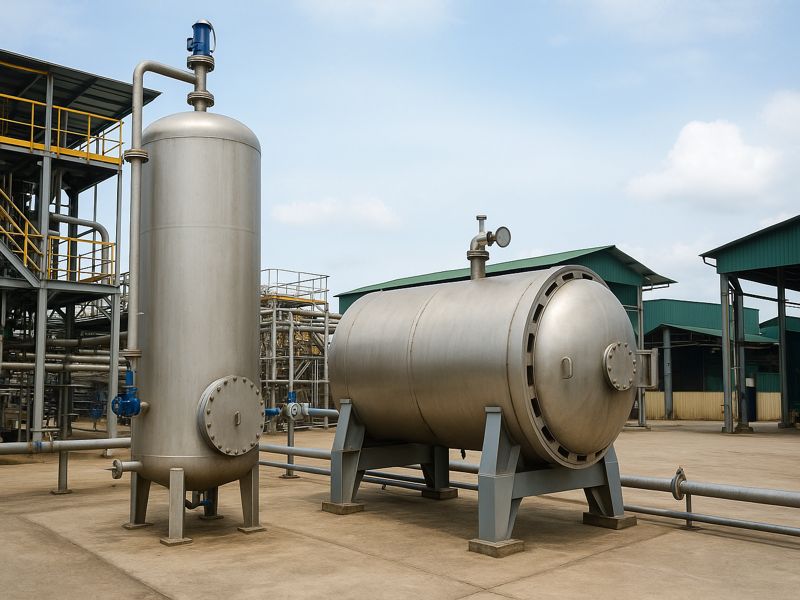
Efficient storage is critical in the palm oil industry, impacting freshness, quality, and value. Improper conditions can cause oxidation, rancidity, and microbial growth. Selecting the right storage equipment and practices is vital for mills, refineries, and logistics providers. This article covers storage importance, equipment types, conditions, monitoring, and best practices to maintain oil quality. Why Storage Matters for Palm Oil Risks of Poor Storage When palm oil is stored under uncontrolled or adverse conditions, several quality issues can arise: Oxidation: exposure to oxygen and light leads to peroxide formation and rancidity. Hydrolysis: moisture ingress yields free fatty acids (FFA) and glycerol, degrading oil quality. Crystallisation or solidification: if oil cools excessively, it may solidify and require heating, which risks local overheating. Microbial growth: water or condensate in tanks can foster microbes, leading to contamination. Cross-contamination: residues from previous batches or other oil grades can compromise quality. Quality Parameters Affected Key indicators of oil freshness and storage integrity include: Free Fatty Acid content (% FFA) Moisture & Volatile Matter (%) Peroxide Value (meq O₂/kg) Colour & appearance Odour (sensory) Economic Implications Poor storage may reduce oil yield (by rejecting or downgrading batches), increase refining costs (higher FFA removal), shorten shelf life, and harm brand/reputation. Investing in good storage equipment and practices directly improves the bottom line through fewer losses and higher-value product. Types of Palm Oil Storage Equipment Selecting the right equipment depends on capacity, process stage, duration of storage and product grade. Here are the common categories: Bulk Storage Tanks These are large fixed tanks located at the mill, refinery or tank farm, used for storage of crude palm oil (CPO), RBD (refined, bleached, deodorised) oil, fractionated olein/stearin. Key design options: stainless steel (SS304 / SS316) or coated carbon steel; insulated or uninsulated; equipped with agitation, heating/cooling jackets, and gauges. Intermediate Storage & Transit Tanks For oil moving between processing steps or between the mill and refinery. These may include trailer tanks, ISO containers or smaller above-ground tanks. Tanker Trucks & Shipping Containers For logistics: road tanker trucks, rail hoppers, marine shipping tanks. They must meet food-grade standards, inerting options, and cleanliness for edible oils. Small-Scale & Modular Storage Units Applicable for smaller mills, remote sites or modular plants: silos, modular tanks, bagged storage (for solidified oil). These units may not have elaborate heating or agitation systems. Ancillary Equipment Storage equipment often includes heating systems (steam/electric jackets), filtration units, sampling ports, level gauges, nitrogen blanketing or inert-as systems. Key Design and Operational Features Having the correct hardware is one thing, but design details and operational features are what ensure real-world storage performance. Material of Construction Stainless Steel (SS304/SS316) – inert, food-grade, corrosion-resistant; preferred for edible palm oil. Carbon Steel with Internal Coating – more economical, but must have an inert coating (epoxy or phenolic) to prevent contamination. Welds, Seals and Gaskets – should be compatible with oil and food grade (e.g., nitrile, Viton) and designed for tank cleaning. Tank Geometry, Dead Zones & Cleanability Tank design must avoid corners, dead zones or pockets where oil can stagnate. Sloped floors, bottom drain, manways and CIP (cleaninplace) features help. Agitation/Recirculation and Temperature Uniformity Some tanks incorporate mixers or recirculation pumps to maintain oil homogeneity, especially when heating or cooling is applied. Uniform temperature prevents thermal stratification and localised degradation. Heating and Cooling Systems Heating jackets/coils: to keep oil liquid for transfer, avoid cold solidification. Cooling: may be required for fractionated olein/stearin. Temperature control is critical. Long-term storage of palm oil ideally at ambient, heating turned off. Venting & Nitrogen Blanketing To minimise oxidation, tanks should have controlled venting. For high-value or long-term storage, inerting with nitrogen or an inert gas layer can protect oil from oxygen contact. Filtration and Moisture Removal Before storage, oil should be filtered to remove solids and water. Water and moisture must be removed to reduce hydrolysis and microbial risk. Instrumentation Instrumentation includes level sensors, temperature probes, sampling ports, pressure gauges, and data logging systems. These allow monitoring of conditions and traceability. Storage Conditions and Freshness Factors The conditions under which palm oil is stored greatly affect its quality over time. Temperature Control Oil storage temperature directly influences viscosity, crystallisation, and oxidative reactions. Key guidelines: For short-term storage (<2 weeks): Maintain oil at about 510 °C above its melting point. For longer-term storage: Ambient temperature, heating turned off to avoid thermal stress. Product Storage Temperature (°C) Notes Crude Palm Oil (CPO) 32-40 Prevent crystallisation, ensure flowability Palm Olein 25-30 Soft fraction, maintain above the melting point Palm Stearin 40-45 Hard fraction, higher melt point Long-term (>2 weeks) Ambient & heating off For all soft oils Moisture and Water Management Moisture in the tank or condensate on tank walls can lead to hydrolysis (raising FFA), microbial growth, sediment formation, and offodours. Drain sumps, vents and dehumidification may be required. Exposure to Oxygen and Light Oxygen and UV light accelerate oxidation. Tanks should be filled with minimal headspace, use closed systems, consider nitrogen blanketing and opaque coatings. Storage Duration and Turnover Even under optimal conditions, oil quality gradually degrades (FFA increases, peroxide values rise). A “firstin, firstout” (FIFO) inventory system helps. Batch segregation prevents older oil from contaminating newer oil. Monitoring and Quality Assurance Reliable quality monitoring is essential to ensure stored palm oil remains within specification. Routine Sampling & Testing Free Fatty Acid (% FFA) Moisture & Volatile Matter (%) Peroxide Value (PV) Colour metrics (Lovibond) Sensory parameters (odour, clarity) Visual Inspection & Maintenance Inspect tank seams for corrosion or coating failure. Check for leaks or seal failures. Remove sludge or sediment build-up via bottom drains. Data Logging & Traceability Modern storage installations use SCADA or IoT sensors to log temperature, oxygen, level, and alerts. Traceability supports food safety certification (e.g., RSPO, MSPO). Cleaning & Sanitation After each batch or different grade, cleaning protocols must be followed. The guidance from the Food and Agriculture Organisation (FAO) recommends pipeline and tank cleaning prior to changing grade. Common Problems & Troubleshooting Tank Corrosion & Leachate Issues Failure of coatings or use of non-food