
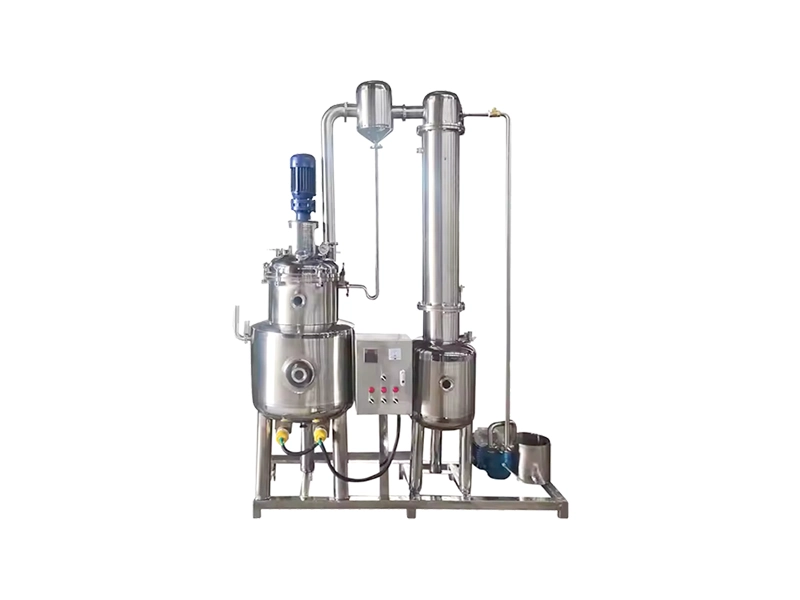
How to Reduce Scaling and Fouling in Vacuum Evaporators
With the right combination of pretreatment, process control, equipment design, and cleaning strategies, their impact can be significantly reduced. The best course of action is not a single fix but rather an all-encompassing plan that consists of: Proper feed preparation Optimized operating conditions Advanced evaporator design Regular and efficient cleaning Continuous monitoring By implementing these best practices, manufacturers can improve efficiency, reduce costs, extend equipment life, and ensure consistent product quality. What Are Scaling and Fouling? Although often used interchangeably, scaling and fouling are slightly different phenomena. Definitions Term Description Scaling Deposition of inorganic salts (e.g., calcium carbonate, silica) on heat transfer surfaces Fouling Accumulation of organic materials, biofilms, or suspended solids on surfaces Common Types of Deposits Type Typical Source Example Inorganic scale Dissolved minerals Calcium carbonate, calcium sulfate Organic fouling Food products Sugars, proteins, pectin Biological fouling Microorganisms Biofilms Particulate fouling Suspended solids Fibers, pulp residues In tomato evaporation systems, organic fouling (pectin, sugars) and particulate fouling are especially common. Why Scaling and Fouling Are Serious Problems If not properly controlled, scaling and fouling can severely affect evaporator performance. Key Impacts Impact Explanation Reduced heat transfer Deposits act as insulation Increased energy consumption More steam is needed to achieve the same output Frequent shutdowns Cleaning required more often Product quality issues Overheating or uneven concentration Equipment damage Corrosion and overheating Even a thin fouling layer can reduce heat transfer efficiency by 10–30%, significantly increasing operational costs. Principal Causes of Scaling and Fouling Understanding the underlying causes is the first step in prevention. High Mineral Content Water or raw materials with high calcium, magnesium, or silica levels increase scaling risk. High Temperature and Concentration As water evaporates: Solutes become more concentrated Solubility limits are exceeded Crystals begin to form Poor Flow Distribution Uneven flow leads to: Dead zones Local overheating Increased deposit formation Product Characteristics In the tomato processing system: Pectin thickens under heat Sugars caramelize Fibers accumulate on surfaces Causes Summary Table Cause Effect High mineral content Scaling High viscosity Fouling Poor circulation Local deposits High temperature Accelerated reactions Long residence time More buildup Strategies to Reduce Scaling Optimize Feed Pretreatment One of the most effective ways to reduce scaling is to treat the feed before it enters the evaporator. Common Pretreatment Methods Method Function Softening Removes calcium and magnesium Filtration Removes suspended solids Reverse osmosis Reduces dissolved salts pH adjustment Controls precipitation For example, water softening can significantly reduce calcium carbonate scaling. Control Operating Temperature Scaling is strongly temperature-dependent. Higher temperatures increase precipitation rates Vacuum evaporators already help by lowering boiling points Best Practice: Operate at the lowest effective temperature Avoid localized overheating Maintain Proper Concentration Levels Over-concentration leads to crystallization. Tips: Monitor total solids continuously Avoid exceeding critical saturation limits Use staged evaporation (multi-effect systems) Use Anti-Scaling Chemicals Chemical additives can inhibit crystal formation. Types of Anti-Scalants Type Function Threshold inhibitors Prevent crystal growth Dispersants Keep particles suspended Chelating agents Bind metal ions These chemicals are widely used in industrial evaporators to reduce mineral deposition. Strategies to Reduce Fouling Improve Flow Velocity and Turbulence Higher turbulence: Reduces boundary layer thickness Prevents material deposition Design Solutions: Use falling film evaporators Optimize pump capacity Avoid stagnant zones Optimize Product Temperature Profile In tomato processing: Excessive heat causes protein denaturation and sugar degradation Best Practice: Use gradual heating Avoid sudden temperature spikes Reduce Residence Time Longer residence time increases fouling risk. Solutions: Increase flow rate Use multi-effect evaporators Optimize system design Use Proper Equipment Design Certain evaporator designs are more resistant to fouling. Comparison of Evaporator Types Type Fouling Resistance Falling film High Rising film Moderate Forced circulation Very high Natural circulation Low For products with a high viscosity, such as tomato paste, forced circulation evaporators work very well. Cleaning Strategies (CIP Systems) Even with preventive measures, cleaning is unavoidable. Clean-in-Place (CIP) CIP systems allow automatic cleaning without dismantling equipment. Typical CIP Process Step Description Pre-rinse Removes loose material Alkaline wash Removes organic fouling Acid wash Removes scale Final rinse Cleans residues Cleaning Chemicals Chemical Purpose Caustic soda (NaOH) Removes organic matter Nitric acid (HNO₃) Dissolves scale Citric acid Mild descaling Surfactants Improve cleaning efficiency Cleaning Frequency Condition Recommended Frequency High fouling products Daily Moderate fouling Every 2–3 days Low fouling Weekly Systems for Monitoring and Control Modern evaporators use automation to reduce fouling risks. Key Parameters to Monitor Parameter Importance Temperature Prevent overheating Pressure Maintain vacuum conditions Flow rate Ensure proper circulation Concentration Avoid supersaturation Advanced Technologies PLC-based automation Real-time fouling detection Predictive maintenance systems AI-based optimization These systems help operators take preventive action before fouling becomes severe. Material Selection and Surface Treatment Stainless Steel Grades Most evaporators use: SUS304 SUS316 Smoother surfaces reduce fouling adhesion. Surface Coatings Advanced coatings can: Reduce adhesion Improve cleanability Extend operating cycles Best Practices Summary Operational Checklist Area Best Practice Feed quality Use filtration and softening Temperature Keep as low as possible Flow rate Maintain high turbulence Cleaning Implement regular CIP Monitoring Use automation systems Design Choose fouling-resistant evaporators Case Example: Tomato Paste Evaporation In a tomato processing plant: Raw pulp contains fibers, sugars, and pectin Evaporation increases viscosity rapidly Fouling risk is high Effective Solutions: Use forced circulation evaporators Maintain continuous flow Apply frequent CIP cycles Control temperature below degradation thresholds These measures can: Extend operating time by 30–50% Reduce cleaning frequency Improve product consistency Economic Benefits of Fouling Reduction Reducing scaling and fouling has direct financial benefits. Cost Impact Table Factor Without Control With Optimization Energy consumption High Reduced Downtime Frequent Minimal Maintenance cost High Lower Production efficiency Low High Even small improvements in fouling control can lead to significant annual savings.