Sustainable Palm Oil Processing: Technologies & Practices for Lower Environmental Impact
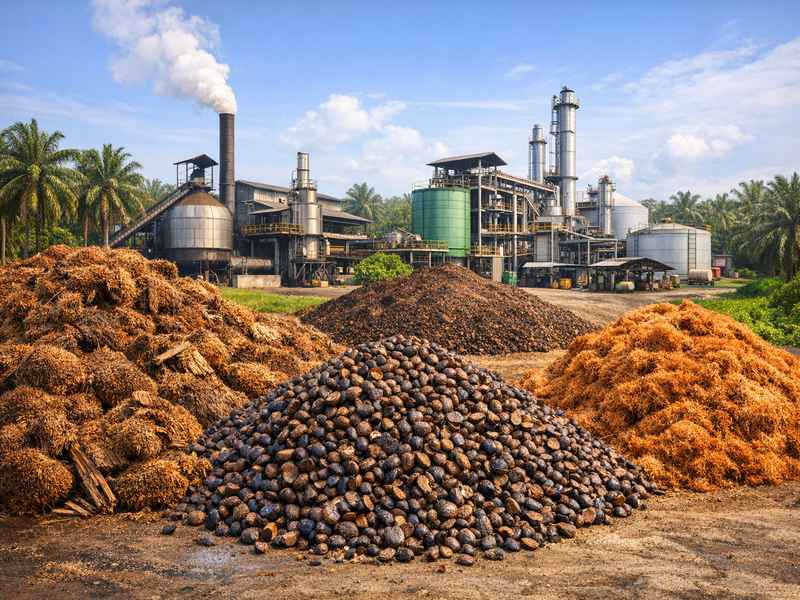
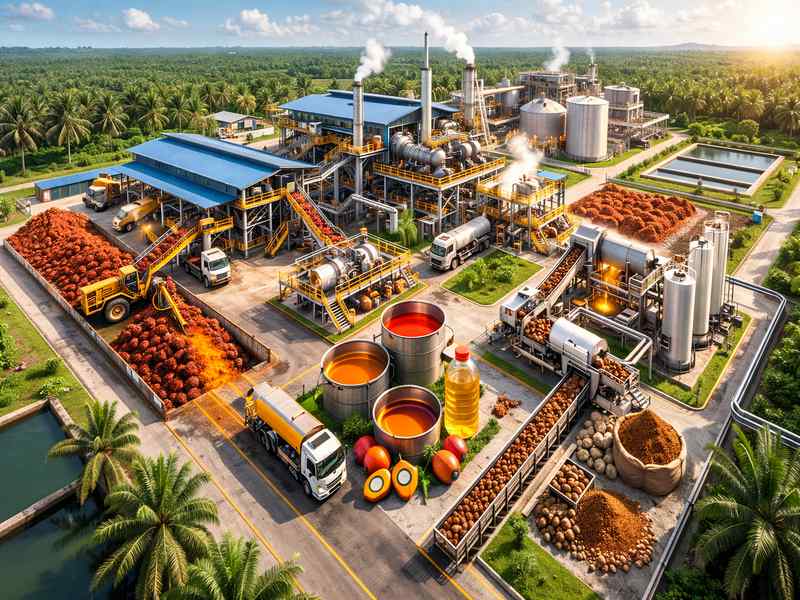
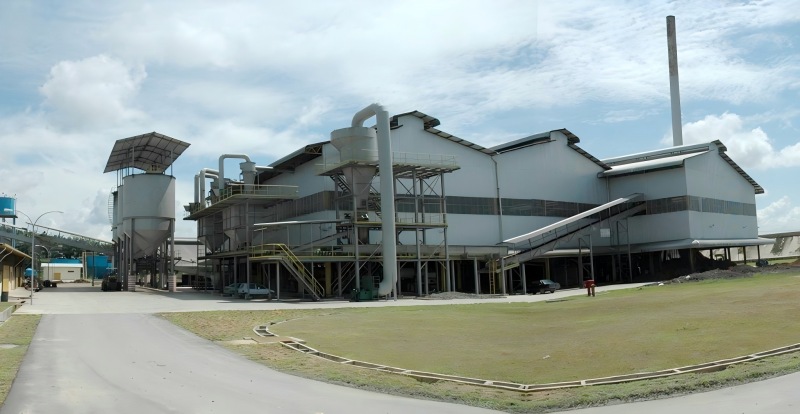
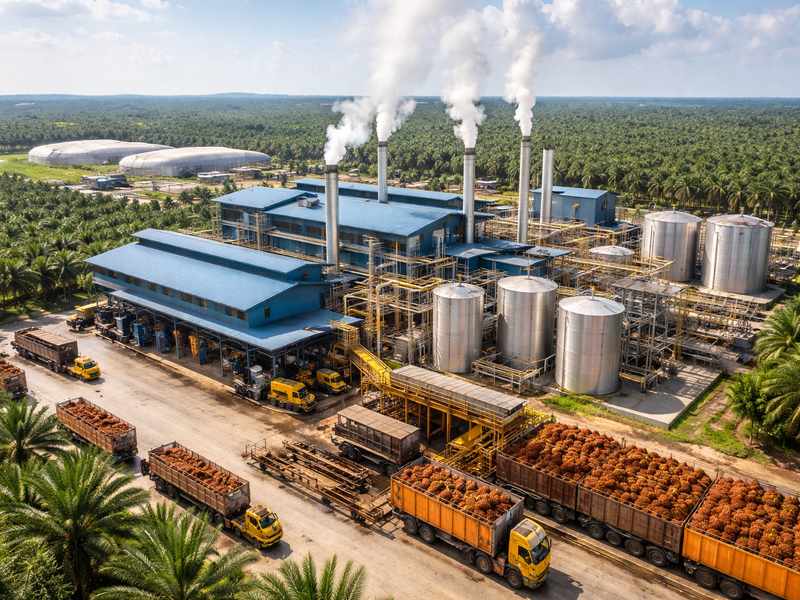
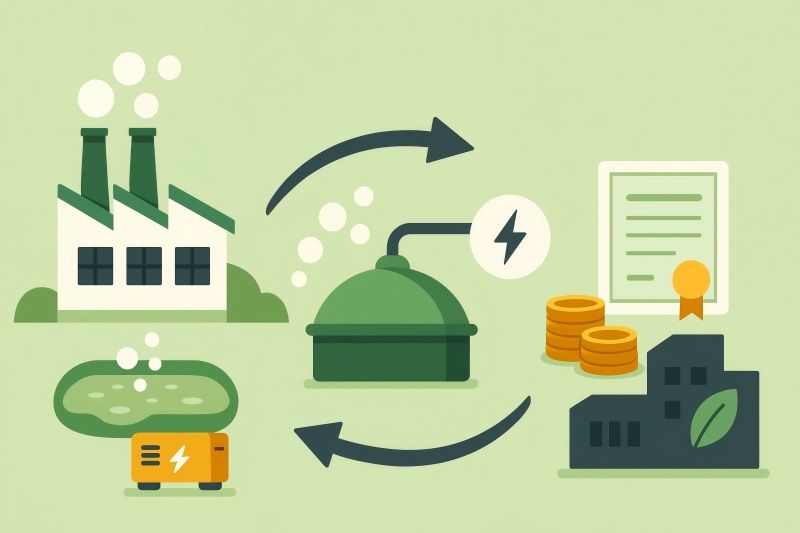
Palm oil remains a vital global commodity, powering food systems, consumer goods, renewable energy, and industry. However, the environmental footprint of processing—methane emissions, wastewater, biomass waste, and high energy use—has pushed governments, investors, and buyers to demand cleaner operations. As production grows in Africa and Asia, sustainability has become essential. Mills adopting low-emission technologies, energy-efficient systems, and circular waste-to-resource practices can cut costs, boost yield, and access premium markets. This article highlights practical sustainable processing technologies that help mills reduce environmental impact while improving long-term profitability. Environmental Impact of Conventional Palm Oil Processing Traditional processing methods impose several environmental burdens: High Greenhouse Gas (GHG) Emissions Palm Oil Mill Effluent (POME) is highly organic. When treated in open ponds, it releases large amounts of methane—a greenhouse gas 28–34 times more potent than CO₂. A typical 45-ton FFB mill can emit up to 30,000–40,000 tons of CO₂-equivalent annually if unmanaged. 2.2 Biomass Waste Challenges Palm processing produces large volumes of: Empty fruit bunches (EFB) Fiber and shell Decanter cake Boiler ash Without proper handling, these materials contribute to air pollution, leachate contamination, and inefficient waste disposal. High Water Consumption Extraction, clarification, and sterilization require large amounts of water. Mills often draw from rivers or groundwater, increasing pressure on local water resources. Outdated Boilers and Low Energy Efficiency Conventional mills rely on low-pressure boilers that burn biomass inefficiently, wasting fuel and releasing smoke and particulates. Land & Soil Impact Improper EFB dumping or wastewater discharge can degrade soil structure, affecting long-term land productivity. Sustainability Frameworks & International Standards Mills aiming for lower environmental impact typically align with key sustainability standards: RSPO (Roundtable on Sustainable Palm Oil) Defines environmental, social, and traceability guidelines used worldwide. ISPO & MSPO National standards in Indonesia and Malaysia that certify sustainable practices. IFC/World Bank EHS Guidelines Set global environmental thresholds for emissions, effluent, and energy efficiency. GHG Protocol & Carbon Accounting Used to quantify methane reduction through biogas systems and generate carbon credits. Energy-Efficient Processing Technologies Energy use is one of the largest contributors to operating costs and emissions in palm oil mills. Modern technologies can cut fuel consumption by 20–40%. Advanced Sterilization Systems Traditional batch sterilizers waste steam and energy. Modern alternatives include: Vertical sterilizers Reduce steam leakage and energy consumption. Continuous sterilizers Improve throughput and lower fuel usage. Steam-saving valves & automatic control Reduce pressure loss and improve cycle efficiency. High-Efficiency Biomass Boilers Burning fiber and shell efficiently reduces reliance on fossil fuels. High-pressure boilers (45–90 bar) Lower smoke and particulate emissions Higher electricity output for mill operations Combined Heat and Power (CHP) Systems CHP integrates electricity generation with steam supply, improving fuel efficiency up to 80%. Heat Recovery Technologies Heat exchangers reuse heat from condensate Condensate recovery reduces steam demand Steam trap optimization prevents energy loss Waste-to-Value Solutions (Zero-Waste Mill Approach) Achieving “Zero Waste” is a core component of sustainable processing. New technologies turn waste streams into revenue-generating resources. POME-to-Biogas Systems Covered lagoons and anaerobic digesters capture methane for: Electricity generation Steam production Substitution of diesel Renewable natural gas (RNG) Sale of carbon credits (VERs / CERs) A 60-ton FFB mill can generate 1–3 MW of electricity and reduce methane emissions by 20,000–40,000 tCO₂e/year. Biomass Utilization Fiber & Shell Used as renewable boiler fuel. Empty Fruit Bunches (EFB) EFB mulching for plantations Composting Pelletization as biofuel Conversion into biochar Pelletized EFB is gaining global demand as a low-carbon biomass fuel. Solid Waste Recovery Decanter cake for compost Boiler ash as soil amendment Kernel shells for export biomass markets Water Conservation & Wastewater Treatment Smart Water Management Rainwater harvesting Reducing dilution water during extraction Closed-loop recycling systems Calibrated flow meters for water use tracking Mills can reduce freshwater consumption by 30–50%. Advanced POME Treatment Modern treatment combines: Anaerobic digestion Aerobic polishing ponds Membrane bioreactors Constructed wetlands These systems meet strict discharge standards (<100 mg/L BOD or stricter). Cleaner Extraction & Refining Technologies Mechanical Extraction Improvements High-efficiency screw presses minimize oil losses Modern decanters improve separation efficiency Continuous clarification ensures stable product quality Greener Refining Methods Eco-friendly refining includes: Enzyme-assisted degumming Low-temperature deodorization Reduced bleaching earth usage Lower temperatures translate to lower energy consumption and longer equipment life. Digitalization & Smart Automation for Sustainability Digital tools now play a critical role in lowering environmental impact. Key Technologies: IoT flow meters for steam, water, and electricity Predictive maintenance for pumps, turbines, and digesters AI-based optimization of sterilization, pressing, and boiler load Real-time monitoring of POME, methane, and CO₂ Smart systems can improve energy efficiency by 10–20%. Supply Chain Sustainability & Traceability Sustainable processing extends beyond the mill. Effective Supply Chain Practices Satellite monitoring to prevent deforestation RSPO/ISPO/MSPO certification Digital FFB traceability systems Smallholder training on sustainable harvesting Modern buyers demand full traceability from plantation to refinery. Economic Benefits of Sustainable Palm Oil Processing Far from being a cost burden, sustainability investments generate long-term financial benefits. Cost & Benefit Overview Sustainable Technology Environmental Benefit Financial Benefit Biogas Recovery Cuts methane emissions Electricity + carbon credits Efficient Boilers Lower emissions, cleaner air Lower biomass consumption Water Recycling Reduced freshwater extraction Lower water bills Smart Automation Lower waste & downtime Higher output efficiency EFB Biochar Soil improvement New revenue stream Carbon credits alone can add $5–15 per ton CO₂e depending on the market. The global shift toward low-carbon and environmentally responsible production has accelerated the adoption of sustainable palm oil processing technologies. From methane capture and biomass-to-energy systems to digital automation and water recycling, modern mills are transforming traditionally wasteful processes into circular, efficient, and profitable operations. The future of palm oil is not only about higher production—it is about cleaner production. Mills that embrace sustainability today will gain stronger market access, better profitability, and long-term environmental resilience.