
Useful palm oil equipment automation begins with the tasks operators must perform and the conditions they need to understand. A touchscreen and a programmable controller are components, not a complete control specification. Buyers should define operating sequences, measurements, alarms, interfaces, records, and handover requirements before comparing automation packages.
The objective is to make the plant’s behavior understandable and testable. A small installation may need a modest, clearly documented system, while a larger integrated line may need more coordination and reporting. The appropriate scope depends on the process, staffing, maintenance capability, and the responsibilities assigned to the equipment suppliers.
Describe an Operating Day in Plain Language
Ask the operating team to describe how production begins, how feed moves through the line, what requires attention during normal running, and how the process is brought to its intended stopped condition. Record the situations that interrupt this sequence. These descriptions provide the basis for discussions with the controls engineer.
Keep the description tied to the selected process arrangement. A batch sterilization section and a continuously fed press have different coordination needs. The control system must represent those differences rather than impose one generic start button on unrelated operations.
Use the palm oil equipment station overview to identify the packages involved, then define which operations belong to each package. State where an operator action is required and where an automatic sequence is proposed. The responsible engineer should review the sequence against the actual machinery and process requirements.
Distinguish Commands, Status, and Measured Values
A command requests an action; a status indicates the state reported by the equipment; a measured value represents information from an instrument. Treating these as interchangeable can mislead an operator. A motor start command, for example, is not by itself proof that the driven equipment is operating as intended.
For each important item, ask what information the operator will see and where that information comes from. The interface should distinguish an unavailable signal from a valid reading. Agree how faults in the measurement or communication path will be presented.
Avoid asking for every possible measurement without a use case. Each instrument needs selection, installation, maintenance, and interpretation. Start with the decisions operators and maintenance personnel need to make, then ask the process and controls specialists which measurements support those decisions.
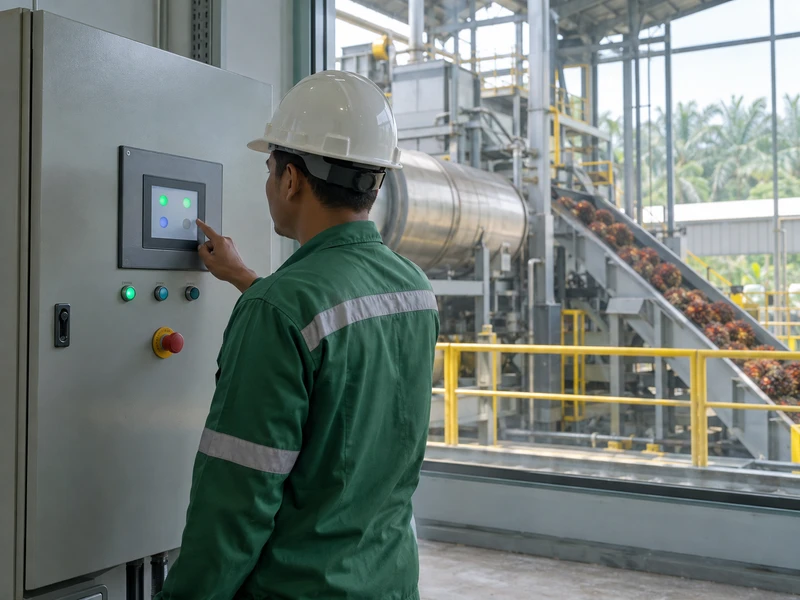
Create a Signal List with Meaningful Descriptions
A signal list connects the process description to the control implementation. It should identify the equipment or instrument, the signal purpose, its source and destination, and the relevant engineering units or state descriptions. The project’s controls engineer should specify the additional technical fields required for implementation.
Use equipment tags that match the drawings and physical labels. If an alarm names a pump by one code while the maintenance file uses another, a simple event becomes harder to investigate. Agree a naming convention before the system contains hundreds of inconsistent labels.
For package equipment, ask the supplier to identify which signals are provided locally and which are available to the wider plant system. Do not assume that buying a controller includes every interface the project may later request. Confirm the communication and integration scope in the quotation.
Specify Alarms Around Actions
An alarm should draw attention to a condition that needs an operator response. Ask the project team to define the condition, its significance, the expected action, and the person responsible for that action. A long list of messages is not automatically a useful alarm system.
Distinguish alarm notifications from normal status changes and maintenance information. The display should help the operator separate a condition requiring prompt intervention from information intended for a later maintenance review. The controls design should establish an appropriate prioritization method for the actual process.
Avoid assigning universal limits from an online article. Temperature, pressure, level, and other limits depend on the equipment design, process duty, and relevant requirements. Have the responsible specialists define and approve the settings, then control later changes through the plant’s procedures.
Explain Start Conditions and Automatic Restrictions
For each requested action, identify the enabling conditions that the controls must confirm; these are commonly called permissives. An interlock can prevent or interrupt an action when specified conditions occur. The actual definitions and implementation should be agreed by the project’s engineers so operators receive a consistent explanation.
Request a functional description showing the intended cause and effect for important equipment relationships. For example, the process designer may define how upstream feeding should respond when a downstream receiving function is unavailable. The exact response must be engineered for the machinery and material involved.
Safety-related functions need a separate risk-based design and validation process where applicable. A normal process controller, an alarm, and an emergency-stop function should not be treated as interchangeable protections. Purchasing should identify the required responsibility and evidence without trying to design those functions through a generic checklist.
Review Package-to-Package Behavior
An automated machine may work correctly in isolation but behave poorly when connected to the rest of the line. Define the information exchanged between the receiving system, sterilization arrangement, digestion and pressing section, and downstream handling. Include normal coordination and the agreed response to unavailable equipment.
When discussing screw press equipment, clarify the boundary between the press package controls and the surrounding feeding and collection systems. Ask who implements the interconnecting logic and who tests the combined sequence. Leaving both suppliers to assume the other party will handle integration creates a predictable gap.
Siemens’ discussion of machine integration emphasizes standardized interfaces when connecting equipment to a wider production system. The relevant lesson for a buyer is to specify and test interfaces explicitly. It does not mean that any particular protocol or software platform is automatically required for a palm oil project.
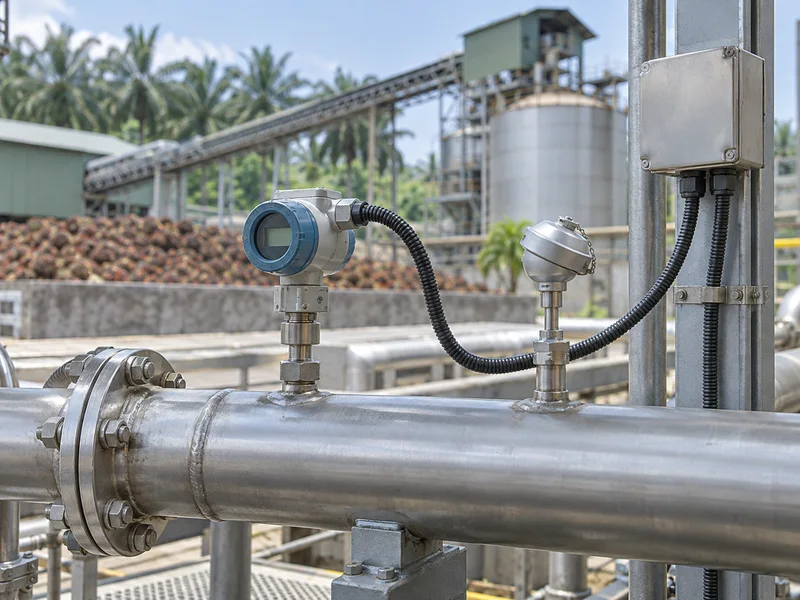
Request Trends That Answer Operating Questions
A trend record can help establish what happened before an interruption or quality change. Choose the signals and recording behavior according to the questions the plant expects to investigate. A record that contains only the final alarm may omit the process changes that preceded it.
Discuss time synchronization, engineering units, data retention, and export format with the controls supplier. Records from separate packages are harder to compare when their clocks disagree. The operating team also needs a practical way to retrieve information without depending on an undocumented engineering tool.
Do not promise that collecting data will automatically improve oil recovery or eliminate downtime. Data becomes useful when the team can interpret it and act on verified causes. The oil-loss monitoring article provides process context for choosing records that support a particular investigation.
Compare Automation Proposals Using Deliverables
| Requested function | Question for the supplier | Evidence at handover |
| Operator display | Which states and values are visible? | Approved screens and demonstrated functions |
| Alarm system | What response does each alarm require? | Alarm list and agreed test records |
| Package coordination | Who owns each interface? | Signal schedule and integrated test results |
| Trend records | What is recorded and retrievable? | Example export with units and timestamps |
| Recovery support | How is the supplied configuration restored? | Documented backup and recovery package |
Keep optional reporting, remote support, and integration features separate from the basic operating scope. The buyer can then compare their value and ongoing support implications. Check the price against the promised handover package, particularly the engineering files and licenses needed to support the installed application.
The equipment cost guide explains broader purchasing categories. For automation, request enough detail to distinguish hardware supply, application engineering, testing, commissioning support, and training. These are different deliverables even when one quotation groups them under a single automation line item.
Plan Configuration Ownership and Recovery
Agree what software, configuration files, documentation, and licenses will be delivered to the owner. State the permitted access and support arrangements in the project agreement. A plant needs to know who can make changes and how an approved configuration can be recovered after a failure.
Ask for a documented backup and restoration approach appropriate to the supplied system. The controls specialist should define the procedure and the conditions under which it is tested. Retain the final configuration version with the equipment handover record.
Where remote support is proposed, have the owner’s authorized technical team review the access method and responsibilities. Do not assume that continuous external access is necessary merely because the system supports it. The purchased function and the access arrangement should both reflect the owner’s actual needs.
Use Factory Tests to Find Misunderstandings Early
Demonstrate the agreed screens, operator actions, sequences, and representative abnormal conditions before site commissioning where practicable. Some functions may be tested with simulated signals. Mark those tests clearly so the report does not imply that field instruments or process performance were verified at the factory.
Ask operators to participate in the review of messages and navigation. They can identify unclear labels and missing information before the interface is finalized. Their review complements the engineering tests; it does not replace the specialist validation required for the actual control functions.
After installation, verify the field connections and combined behavior under the agreed site procedure. A correct factory simulation does not establish that every instrument is correctly installed or that every interface has been connected correctly. Keep factory and site evidence in the same controlled handover package.
Train for the Installed System
Training should use the final equipment names, screens, and operating procedures. Include how to recognize unavailable information, report a fault, retrieve records, and obtain authorized support. Avoid training only on the controller hardware while leaving the application behavior unexplained.
Maintenance personnel need the documents and access appropriate to their assigned responsibilities. The existing maintenance article discusses the wider maintenance program; the automation handover should supply the specific configuration and instrument information that program requires. Define any additional specialist support that remains necessary.
Begin an inquiry to Vortech Global with the process arrangement and a short description of the operating tasks you want the controls to support. Attach a preliminary function list and identify existing systems that must be connected. That gives the supplier a concrete basis for proposing automation that the operating team can understand, test, and maintain.