
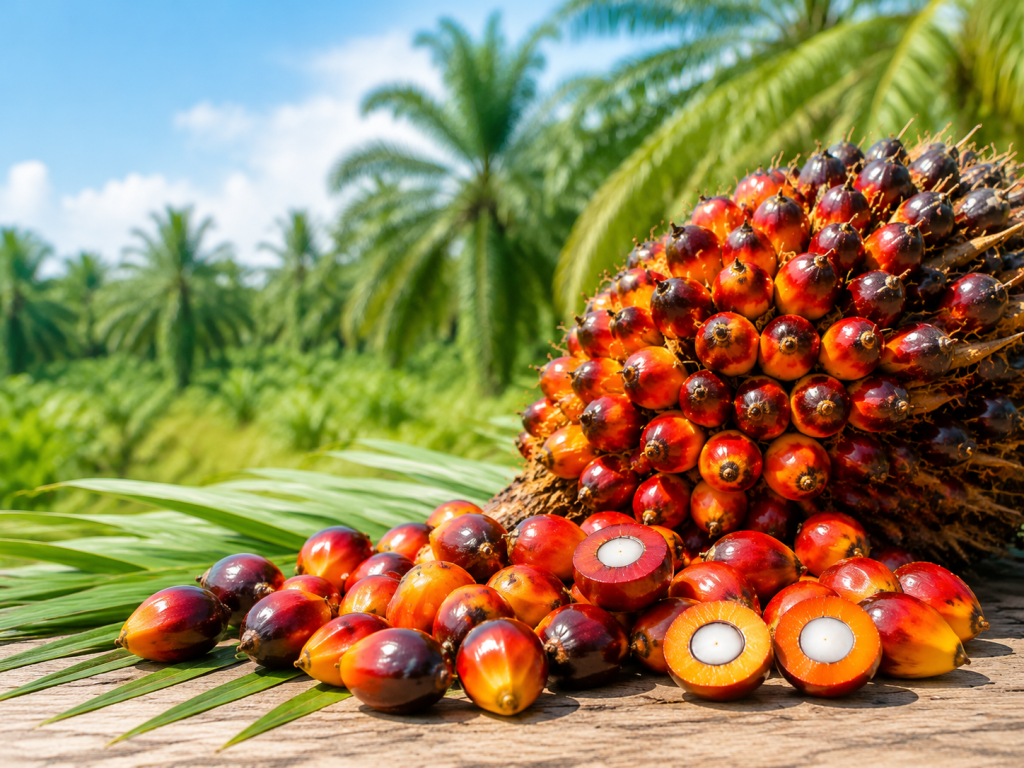
Palm oil, among the world’s most widely used vegetable oils, serves various industries such as chemical processing, food production, cosmetics, and biofuel manufacturing. However, many people know little about how palm oil is produced, processed, and converted into valuable industrial materials.
Behind every palm oil product is a complex processing chain that includes harvesting, extraction, separation, drying, and waste treatment. As the industry continues to develop, efficient palm oil processing equipment plays an important role in improving production efficiency, reducing waste, and achieving more sustainable operations.
1. Palm Oil Has a Long Development History
Southeast Asia is not where oil palm originated. The plant originated from West Africa and was later introduced to regions with suitable tropical climates, including Indonesia and Malaysia. Over time, these areas developed large-scale palm oil industries supported by favorable growing conditions and advanced agricultural systems.
It took time for the palm oil business to grow. It required decades of investment in plantation management, harvesting technology, processing facilities, transportation systems, and international supply chains.
Palm oil is becoming a significant agricultural and industrial raw ingredient. Its wide range of applications has created demand for more efficient production methods throughout the entire processing chain.
| Development Stage | Main Focus |
| Plantation cultivation | Improving fruit yield and harvesting efficiency |
| Fresh fruit processing | Extracting crude palm oil from harvested fruit |
| Refining and separation | Producing different palm oil fractions |
| Industrial application | Supplying food, chemical, cosmetic, and energy industries |
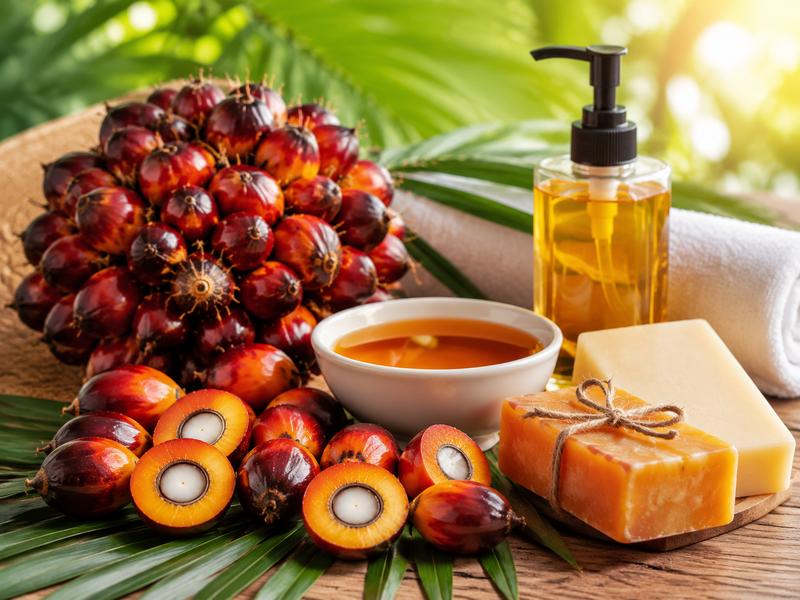
2. Palm Oil Production Requires Efficient Processing Systems
Palm oil production involves more than simply extracting oil from fruit. Fresh fruit bunches must be processed quickly after harvesting because delays can affect oil quality.
The general palm oil processing flow includes sterilization, threshing, digestion, pressing, clarification, and oil purification. Each stage requires stable operation and suitable equipment to maintain product quality.
In addition to producing palm oil, processing plants generate large amounts of by-products, including empty fruit bunches, palm fiber, palm kernel shells, and wastewater. Modern palm oil production now heavily relies on the effective handling of these components.
| Processing Stage | Purpose | Typical Equipment |
| Fruit preparation | Softening and separating fruit | Sterilizer, thresher |
| Oil extraction | Recovering crude palm oil | Pressing system |
| Clarification | Removing impurities and water | Separator, purifier |
| By-product treatment | Recycling agricultural residues | Dryer, evaporator, biomass system |
3. Palm Oil By-Products Have Valuable Industrial Potential
Palm oil production generates significant quantities of agricultural residues. Many processors are looking at ways to turn these materials into usable goods rather than considering them as garbage.
Palm fiber and empty fruit bunches can be used as biomass fuel, while other residues can be processed into fertilizers, animal feed ingredients, or industrial materials.
However, these materials often contain high moisture content, which creates challenges for storage, transportation, and further processing.
Industrial drying technology can help reduce moisture levels and improve material stability. Depending on the characteristics of the material, rotary dryers, flash dryers, belt dryers, or other customized drying systems may be selected.
| Material | Processing Challenge | Possible Solution |
| Palm fiber | High moisture content | Industrial drying |
| Empty fruit bunches | Large volume and difficult handling | Size reduction and drying |
| Palm kernel residue | Need for stable storage | Moisture control |
| Biomass materials | Variable properties | Customized drying system |
4. Drying Technology Improves Palm Oil Industry Efficiency
Drying is an important process in many palm oil-related applications. Whether processing agricultural residues, producing biomass fuel, or preparing materials for further utilization, moisture control directly affects product quality and operating costs.
An effective industrial dryer should consider several factors, including material characteristics, required final moisture, processing capacity, and energy consumption.
For palm oil-related materials, different drying technologies may be suitable:
- Rotary dryers are commonly used for large-volume materials requiring continuous operation.
- Flash dryers are suitable for fine particles and materials requiring rapid moisture removal.
- Belt dryers provide gentle and controlled drying for heat-sensitive materials.
- Vacuum dryers can be considered when lower-temperature processing is required.
The selection of drying equipment should match the actual production process instead of applying a standard solution to every project.
5. Sustainable Palm Oil Production Requires Better Waste Management
The future development of the palm oil industry is closely connected with sustainability. For processing facilities, enhancing energy efficiency, cutting waste, and optimising resource use are becoming crucial factors.
Modern palm oil manufacturers are concentrating more on:
- Recovering energy from biomass residues
- Reducing wastewater impact
- Improving process efficiency
- Increasing the value of agricultural by-products
Drying and evaporation technologies can support these goals by helping convert wet residues into more manageable and valuable materials.
For instance, lowering the moisture content of biomass resources can save transportation costs and increase combustion efficiency. In other applications, controlled drying can prepare materials for further processing into fertilizers, animal feed, or industrial products.
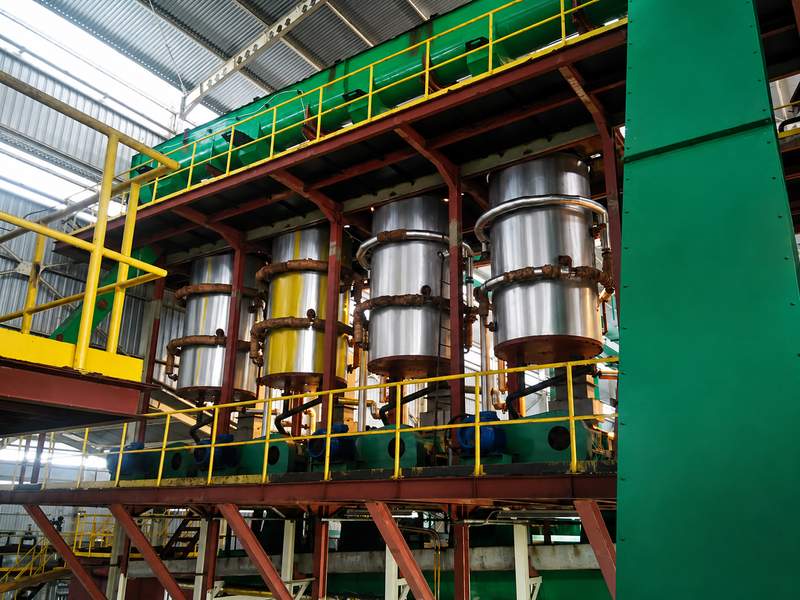
6. Advanced Processing Equipment Supports Future Palm Oil Applications
As palm oil applications continue expanding, processing equipment must meet higher requirements for efficiency, reliability, and flexibility.
Manufacturers and processors need solutions that can handle different materials, production capacities, and operating conditions. Equipment selection should consider:
| Key Factor | Why It Matters |
| Material properties | Determines suitable drying or processing method |
| Moisture content | Affects energy consumption and final quality |
| Production capacity | Influences equipment size and configuration |
| Energy source | Impacts operating cost and sustainability |
| Automation level | Improves stability and reduces labor requirements |
Vortech Global provides customized industrial drying and powder processing solutions for agricultural, food, chemical, and industrial applications. By combining process analysis with suitable equipment design, we help customers improve production efficiency and maximize material value.
Palm oil is more than a common vegetable oil. Behind this global industry is a complete processing system involving agriculture, extraction, separation, drying, and resource utilization.
As palm oil producers focus on higher efficiency and sustainable development, advanced processing technologies will become increasingly important. From moisture control to by-product utilization, reliable industrial equipment can help transform challenges into new opportunities.
For companies involved in palm oil processing, selecting the right drying and processing solution is a key step toward improving productivity, reducing waste, and creating long-term value.