
Palm Nut Crusher vs Palm Kernel Crusher: What Is the Difference?
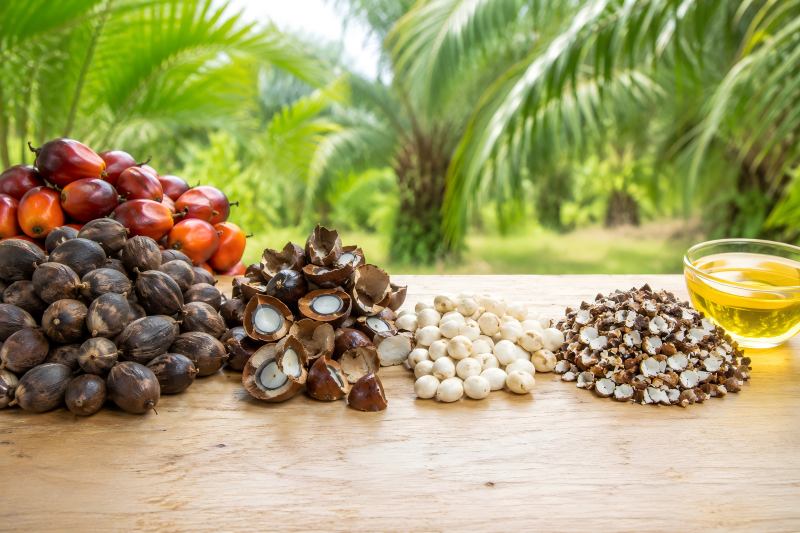
Many people confuse a palm nut crusher and a palm kernel crusher because both are used in palm kernel production. However, they operate at different stages and handle different materials. After crude palm oil extraction, palm nuts still contain valuable kernels that require precise processing. The key difference between these machines lies in the input material, crushing purpose, and how the crushing process is controlled. Understanding the Position of Each Machine in Palm Kernel Processing It is crucial to comprehend the entire processing logic before comparing the machines. After palm fruit processing, palm nuts are collected and dried. These nuts contain an outer shell and an inner kernel. The first challenge is breaking the hard shell without seriously damaging the kernel. This is where a Palm Nut Crusher is used. After shell cracking and separation, the recovered palm kernels may need further size reduction before oil extraction. At this stage, a Palm Kernel Crusher becomes relevant. A simplified process looks like this: Processing Stage Main Material Equipment Used Main Purpose Nut preparation Whole palm nuts Palm Nut Crusher Crack shell and release kernel Shell separation Cracked nut mixture Separator system Remove shell from kernel Kernel preparation Clean palm kernels Palm Kernel Crusher Reduce kernel size for oil extraction Oil production Crushed kernel Oil press/extraction system Extract palm kernel oil Many small processors combine these functions into one production line, but technically they represent two different crushing requirements. What Is a Palm Nut Crusher? A palm nut crusher is mainly designed to crack the hard shell surrounding the palm kernel. Palm nuts are extremely resistant because the shell must protect the seed during natural growth. However, this same characteristic creates difficulties during industrial processing. The purpose of the crusher is not to completely grind the nut into small particles. Instead, it aims to achieve controlled cracking: Break the shell effectively Keep the kernel as intact as possible Reduce kernel damage Improve separation efficiency Modern palm nut crushers often use mechanical impact or roller-based crushing structures. For example, ripple mill-type systems apply controlled force to crack nuts while reducing excessive kernel breakage. Some industrial models can achieve cracking rates around 95% while controlling kernel loss and shell contamination below certain levels. Finding a balance between kernel protection and cracking force is difficult. If the crushing force is too low: Some nuts remain unopened Kernel recovery decreases More manual separation may be required If the crushing force is too high: Kernels become broken Shell fragments mix with kernels Oil quality and extraction efficiency may decrease Therefore, a good Palm Nut Crusher is not judged only by cracking speed but by the quality of the cracked material. What Is a Palm Kernel Crusher? A Palm Kernel Crusher works with already separated palm kernels rather than whole palm nuts. Its main purpose is size reduction before oil extraction. Palm kernels contain valuable oil, but pressing whole kernels is inefficient because their structure is dense. Crushing increases the surface area and improves oil release during mechanical pressing. Typical functions include: Breaking kernels into smaller particles Improving oil extraction efficiency Creating more uniform feeding conditions for oil presses Unlike a Palm Nut Crusher, shell cracking is no longer the primary objective. The focus changes from “opening the nut” to “preparing the kernel.” Feature Palm Nut Crusher Palm Kernel Crusher Input Material Whole palm nuts Clean palm kernels Main Function Shell cracking Kernel size reduction Processing Goal Separate kernel from shell Improve oil extraction Crushing Intensity Controlled impact Stronger grinding/crushing Output Cracked nut mixture Smaller kernel pieces Main Concern Avoid kernel damage Achieve uniform particle size Key Differences Between Palm Nut Crusher and Palm Kernel Crusher Different Processing Targets The biggest difference is the material being processed. A Palm Nut Crusher deals with a protective structure: the shell. The machine must overcome shell strength while preserving the valuable kernel inside. A Palm Kernel Crusher handles a softer target. The kernel itself needs to be broken down to improve downstream processing. This means their mechanical designs naturally focus on different goals. Different Crushing Principles Palm Nut Crusher: The machine applies impact or compression force to create cracks along the shell structure. The ideal result is: Shell broken + Kernel preserved Palm Kernel Crusher: The machine applies crushing or grinding force to reduce kernel size. The ideal result is: Kernel reduced + Particle size controlled The difference seems simple, but it directly affects equipment selection. Using a Palm Kernel Crusher to process whole palm nuts would usually lead to poor results because it is not designed to separate shell and kernel. Similarly, using a Palm Nut Crusher after shell removal would not provide the particle size control required for efficient oil extraction. Different Performance Evaluation Standards The performance indicators are also different. Performance Indicator Palm Nut Crusher Palm Kernel Crusher Important Metric Cracking rate Crushing uniformity Target High shell opening rate Suitable particle size Quality Risk Kernel breakage Excessive powder generation Process Impact Separation efficiency Oil extraction efficiency Cracking rate is one of the most crucial metrics for palm nut crushers. For Palm Kernel Crushers, particle distribution becomes more important because uneven crushing can affect pressing performance. How Should Your Palm Processing Line’s Equipment Be Selected? Many buyers focus only on machine capacity, but in real production, the correct selection depends on the entire processing system. A 2-ton/hour crusher is not necessarily better than a 1-ton/hour machine if it creates more kernel damage or unstable output. A number of elements need to be taken into account: Condition of Raw Materials Freshly collected palm nuts may contain different moisture levels and shell hardness depending on storage conditions. Higher moisture content can affect cracking performance. Production Scale Small palm oil mills may prioritize: Easy operation Lower investment Simple maintenance Large industrial plants usually focus more on: Continuous operation Automatic control Stable output quality Final Product Requirement If the goal is selling whole palm kernels, protecting kernel integrity is critical. If the goal is palm kernel oil production, consistent crushing size becomes more important. Palm Nut